
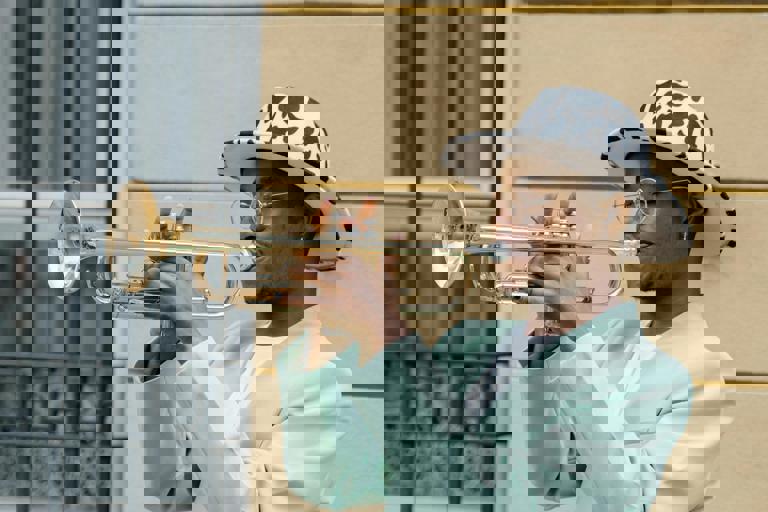
The city’s main thoroughfare was transformed into a lively stage this past weekend as a group of determined street musicians set a new record for the longest open-air jazz performance in local history. Musicians, both seasoned and amateur, joined forces in a remarkable 32-hour marathon, drawing substantial crowds and creating a festive ambiance that lasted well into the night. The event’s energy was palpable, with every corner echoing vibrant sounds of saxophones, trumpets, and double bass.
Organized by local jazz enthusiast and saxophonist James Holloway, the marathon performance sought to demonstrate the unifying power of music, particularly in urban spaces. Holloway, who spearheaded the event, stated, “We wanted to remind everyone how jazz, with its spontaneous rhythms, can bring people together—even strangers on the street become part of this living, breathing moment.” His passion inspired dozens to participate and hundreds to observe.
From the moment the first notes resonated through the morning chill, passersby stopped to listen, some staying only minutes, others returning repeatedly throughout the day. Witnesses described the scene as both exhilarating and communal. “I’ve never seen so many people honestly engaged in something joyful right in the middle of the city,” said Olivia Perkins, a local resident who attended for over five hours. Children danced, older listeners reminisced, and tourists filmed avidly.
As the marathon wore on, the logistical challenges became apparent. Organizers coordinated meal breaks, equipment swaps, and scheduled performances to ensure continuous music without interruption. Volunteers circulated among musicians distributing water, snacks, and encouragement. Support from local businesses, including cafes and restaurants, proved invaluable, with many donating refreshments and meals to keep energy levels high throughout the performance.
Expert jazz musicians alternated with young students eager for the chance to play in front of an enthusiastic crowd. For many, it was a unique opportunity to perform alongside established artists. Trumpeter Alicia Rowe, just 17 years old, described her set as a “dream come true,” while veteran bassist Norman Field remarked on the “tremendous dedication and creativity” he witnessed in the younger generation.
Beyond entertainment, the event served as a cultural celebration with a deeper message. Organizers stressed the importance of supporting live music, particularly after the hardships the entertainment industry has faced in recent years. “This performance is about resilience,” said Holloway. “It’s our way of saying that the heart of jazz—and live music more broadly—still beats strongly in our community.”
Notably, the event attracted the attention of the British Jazz Society, which sent representatives to witness the proceedings. In an official statement, the society praised the ensemble’s endurance and highlighted the performance as “a testament to the vitality and inclusiveness of grassroots music in the UK.” The organisation also hinted at future collaborations aimed at further promoting street music.
Public response quickly gained traction on social media, where hashtags associated with the marathon trended throughout the weekend. Videos of impromptu solos and collaborative jams racked up thousands of views, transforming local musicians into overnight sensations. Many comments praised the effort as “inspirational,” while some viewers even pledged to attend the group’s next public session in person.
City officials were equally effusive in their support. Councillor Fiona Sharpe, who attended the performance, described the event as “an exemplar of positive urban culture.” She noted that such large-scale gatherings not only enrich local cultural life but also encourage tourism and community pride. Sharpe hinted at potential funding for similar ventures, stating, “We want to champion those who make our city vibrant and welcoming for all.”
Weather threatened briefly to dampen spirits as light rain fell in the late afternoon, but both musicians and spectators demonstrated unwavering resolve. Audiences huddled under umbrellas and tarps, while performers strategically rotated to allow instruments and hands a break from the damp. The fortitude displayed in the face of adversity only seemed to strengthen the collective resolve to keep the music alive.
As midnight approached and the city quieted, energy on the street persisted. Some listeners brought sleeping bags to stay overnight, determined not to miss a minute of the historic event. The city’s emergency services were quietly on hand, though incidents were few. The mood remained peaceful and cordial, thanks in part to careful planning and community cooperation.
When the final notes faded at dawn, participants and audiences alike erupted in applause, celebrating both the endurance of the musicians and the communal spirit fostered by the marathon. Organisers received congratulatory messages from across the country. Reflecting on the success, Holloway concluded, “We proved that music, especially jazz, can not only entertain but also unite and uplift—something our world badly needs.”