
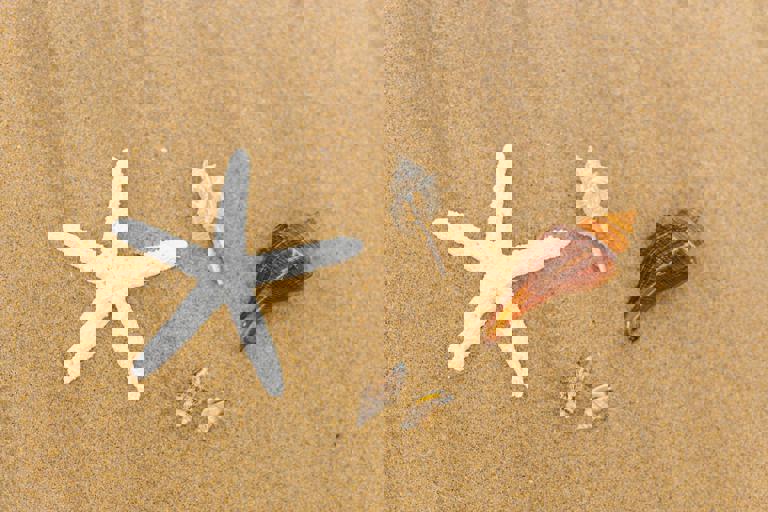
In a spectacle that has thrilled both seashell enthusiasts and casual beachgoers, this morning’s record-setting high tide delivered an extraordinary array of rare seashells onto Sandbanks Beach, captivating the local community. Early risers reported seeing an unprecedented variety of shells dotting the wet sands, some of which have never been recorded on this stretch of the Dorset coast before. The event has sparked considerable excitement among residents and visitors alike.
Experts have traced the phenomenon to the combination of recent storm surges and a full moon, which worked together to create the year’s highest tide. Dr. Eleanor Harris, a marine biologist with the Dorset Marine Centre, explained, 'The unique tidal conditions likely disturbed shell beds lying much further offshore, transporting these otherwise unseen specimens onto the beach.' Such events, according to Harris, are exceptionally rare.
For Beryl Watson, a local collector with decades of experience scouring Sandbanks' shores, the morning find was a dream come true. 'I've never seen anything like it in my 30 years of shell collecting,' she remarked. Watson was among the first to arrive, quickly filling her basket with intricately patterned cowries, lime-green sea snails, and the elusive “queen’s helmet” conch. Her excitement was mirrored by many others wading through the tidal debris.
Word of the shell bonanza spread rapidly, drawing a crowd of weekend collectors, families, and curious onlookers. Some paused to take photographs, while others meticulously sifted through piles of kelp and driftwood, hoping to claim a unique souvenir. By midday, the promenade was bustling with people bent over, eyes trained on the shimmering sand, in a scene reminiscent of an old-fashioned treasure hunt.
Among the finds was a small number of Junonia shells, a species so rarely seen in this part of the world that their appearance sparked debate among specialists. 'Finding even one Junonia here is almost unheard of,' noted John Peters, chair of the South Coast Shell Society. 'To see several in a single morning suggests the tide brought material in from a much wider area than usual.' This unusual influx possibly included shells from continental waters.
Local children, galvanized by the excitement, formed impromptu teams to comb the shoreline, giggling as they stumbled across shells in hues ranging from bright pink to deep indigo. Parents described the atmosphere as festive and almost surreal. 'It felt like nature was putting on a show just for us,' said James Clarke, who brought his two young daughters to the beach before breakfast. The event proved educational as well as entertaining.
Social media quickly filled with striking images and videos of the morning’s discoveries, as both locals and tourists posted their best finds. Hashtags such as #SandbanksShells and #TideTreasure began trending regionally, drawing further attention to the event. Some users even coordinated swaps and meetups to share and trade shells, reigniting an interest in coastal biodiversity among the younger population.
The influx of visitors did not go unnoticed by local businesses. Nearby cafés reported record breakfast turnovers as beachcombers sought warm drinks after their chilly early-morning explorations. Boutique gift shops, usually quiet during off-season months, experienced a surge in demand for display cases and shell identification guides. The local council, sensing an economic opportunity, contemplated organising guided beach walks for the coming days.
Environmental groups issued gentle reminders to shell hunters about the importance of leaving some shells on the beach to support ongoing coastal ecosystems. 'Shells play a critical role in providing habitat and nutrients for shoreline creatures,' said Rachel Yeats, spokesperson for Dorset Wildlife Trust. She encouraged people to enjoy their discoveries responsibly, advocating for leaving at least half their finds behind.
Many collectors were keen to document and potentially identify their discoveries, prompting a series of spontaneous mini-workshops on the promenade. Dr. Harris and other professionals volunteered to help identify the more unusual finds, offering impromptu science lessons to anyone interested. Several participants mentioned they planned to donate particularly rare shells to local museums for public display and research.
For Sandbanks’ regulars, this rare event has reignited a sense of coastal wonder. Long-time resident Michael Rowe shared, 'Living here, it’s easy to become blasé about our beautiful surroundings. This morning’s tide has reminded us all how dynamic and surprising nature can be.' He hopes the excitement will encourage more people to appreciate and protect the area’s unique marine environments.
Meanwhile, meteorologists and oceanographers are examining tidal records and satellite imagery to better understand what triggered such a significant shell deposition event. Preliminary data suggests that similar, albeit smaller, occurrences have happened only a handful of times in the past century. As scientists analyse these findings, they hope to offer clearer predictions for future tidal anomalies and their effects on coastal biodiversity.
Among the most lasting impacts of the morning’s excitement could be a strengthened relationship between the community and their shoreline. Schools are reportedly planning follow-up projects to explore coastal ecology, while local conservationists intend to use the event as a launchpad for further public engagement. For many, today’s extraordinary shell harvest stands as a vivid reminder of the ever-changing, resource-rich character of Britain’s coastal habitats and the shared responsibility to sustain them for generations to come.